পৃথিবী রক্ষার পথ: থিক নাত হান ও বুদ্ধের বাণী
The Path to Saving the Planet: Thich Nhat Hanh and the Buddha’s Teaching
পরিবেশ নয়, আমরাই পৃথিবী—আড়াই হাজার বছরের বুদ্ধবাণীর আলোয় এক ভিক্ষুর পরিবেশ-দর্শন
We are not surrounded by the environment — we are the Earth. A monk’s ecological vision in the light of the Buddha’s words from 2,500 years ago.
সূচনা: পরিবেশ নয়, আমরাই পৃথিবী
Introduction: Not the Environment — We Are the Earth
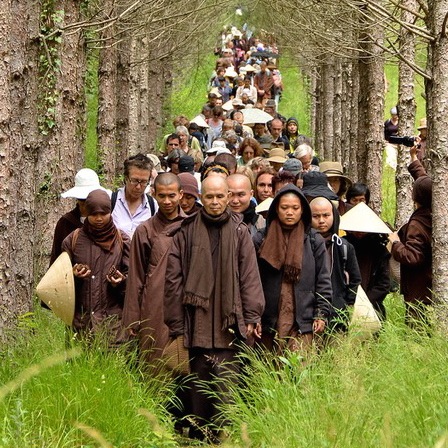
নদী শুকোচ্ছে, বন উজাড় হচ্ছে, সমুদ্রের পানি উঠে আসছে উপকূলে। জলবায়ু সংকটের খবর শুনে অনেকেই ভয় পান, কেউ হতাশ হয়ে পড়েন, কেউ মুখ ফিরিয়ে নেন।
Rivers are drying, forests are falling, the sea is creeping onto our coasts. News of the climate crisis frightens many people; some fall into despair, others simply look away.
থিক নাত হান এই সংকটকে দেখেছিলেন অন্য চোখে। তাঁর কাছে সমস্যার মূল শুধু কার্বন বা প্লাস্টিক নয়—মূল আমাদের মনে। আমরা পৃথিবীকে ‘পরিবেশ’ বলি, যেন সে আমাদের চারপাশের কোনো আলাদা জিনিস, যাকে ব্যবহার করা যায়। অথচ আমরা পৃথিবীরই অংশ; আমাদের শরীরের প্রতিটি কণা মাটি, পানি, বাতাস আর সূর্যের আলো দিয়ে গড়া।
Thich Nhat Hanh saw this crisis with different eyes. For him the root of the problem was not only carbon or plastic — it lay in the mind. We call the Earth “the environment”, as if it were something separate around us, there to be used. Yet we are part of the Earth; every particle of our bodies is made of soil, water, air and sunlight.
জীবনের শেষ পর্যায়ে তাঁর শিক্ষা নিয়ে প্রকাশিত হয় জেন অ্যান্ড দ্য আর্ট অব সেভিং দ্য প্ল্যানেট (২০২১)। তার আগে লিখেছেন দ্য ওয়ার্ল্ড উই হ্যাভ (২০০৮) এবং লাভ লেটার টু দ্য আর্থ (২০১৩)। এই তিন গ্রন্থের ভিত্তি নতুন কোনো মতবাদ নয়—আড়াই হাজার বছর আগের বুদ্ধবাণী।
Late in his life his teachings on this were gathered in Zen and the Art of Saving the Planet (2021). Before that he wrote The World We Have (2008) and Love Letter to the Earth (2013). None of these books rests on a new doctrine — their foundation is the Buddha’s teaching of two and a half thousand years ago.
এই কাহিনিতে প্রতিটি অধ্যায়ে থিক নাত হানের পরিবেশ-ভাবনার পাশে রাখা হয়েছে তার মূল উৎস, পালি তিপিটকের সূত্র।
In each chapter of this story, one strand of Thich Nhat Hanh’s ecological thought is set beside its source in the Pali Tipiṭaka.
এক: পৃথিবীকে সাক্ষী রেখে
One: Calling the Earth to Witness
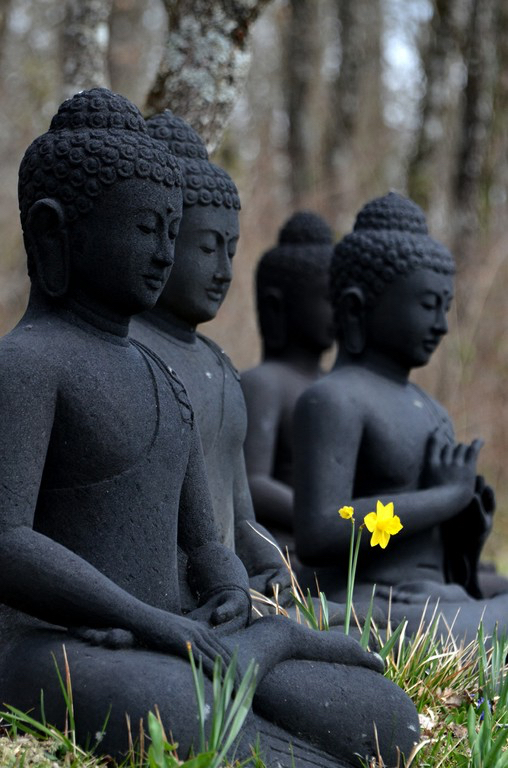
বোধিপ্রাপ্তির রাত। বোধিবৃক্ষের নিচে কুশঘাসের আসনে বসে আছেন সিদ্ধার্থ। মার এসে প্রশ্ন তোলে—তুমি যে বুদ্ধত্বের যোগ্য, তার সাক্ষী কে?
The night of awakening. Siddhartha sits on a seat of kusa grass beneath the Bodhi tree. Mara comes and challenges him: who will bear witness that you are worthy of Buddhahood?
সিদ্ধার্থ কোনো দেবতা বা রাজার নাম বলেননি। তিনি ডান হাত বাড়িয়ে আলতো করে মাটি স্পর্শ করলেন। পৃথিবীই তাঁর সাক্ষী। বৌদ্ধ শিল্পে এই ভঙ্গিই ভূমিস্পর্শ মুদ্রা—বাংলাদেশ থেকে থাইল্যান্ড পর্যন্ত অসংখ্য বুদ্ধমূর্তিতে আমরা যা দেখি।
Siddhartha named no god and no king. He reached out his right hand and gently touched the ground. The Earth was his witness. In Buddhist art this is the bhūmisparśa mudrā, the earth-touching gesture we see on countless Buddha images from Bangladesh to Thailand.
সূত্র: জাতক নিদানকথা (অবিদূরে নিদান) — পালি অট্ঠকথা ঐতিহ্য; সংস্কৃত ললিতবিস্তর
Source: Jātaka Nidānakathā (Avidūre-nidāna), Pali commentarial tradition; Sanskrit Lalitavistara
এই কাহিনির গভীর অর্থ আছে। মানবজাতির শ্রেষ্ঠ উপলব্ধির মুহূর্তে বুদ্ধ আকাশের দিকে নয়, মাটির দিকে হাত বাড়িয়েছিলেন। জাগরণ পৃথিবী থেকে বিচ্ছিন্ন নয়; পৃথিবীর সঙ্গেই।
The story carries a deep meaning. At the moment of humanity’s greatest realisation, the Buddha reached not toward the sky but toward the ground. Awakening is not apart from the Earth; it happens with the Earth.
থিক নাত হান এই মুদ্রা থেকে গড়ে তোলেন একটি অনুশীলন—‘টাচিং দ্য আর্থ’ বা ভূমিস্পর্শ ধ্যান। কপাল, দুই হাত ও দুই পা মাটিতে রেখে সাধক নিজেকে সমর্পণ করেন পৃথিবীর কাছে। সেই অবস্থায় তিনি অনুভব করেন পূর্বপুরুষদের, ভূমির, আর সকল প্রাণের সঙ্গে নিজের সংযোগ। রাগ, অহংকার আর একাকীত্ব মাটিতে মিশে যায়; জেগে ওঠে কৃতজ্ঞতা।
From this gesture Thich Nhat Hanh developed a practice he called Touching the Earth. Lowering forehead, hands and feet to the ground, the practitioner surrenders to the Earth and feels their connection to ancestors, to the land and to all life. Anger, pride and loneliness sink into the soil; gratitude rises.
দুই: আমরাই পৃথিবী
Two: We Are the Earth
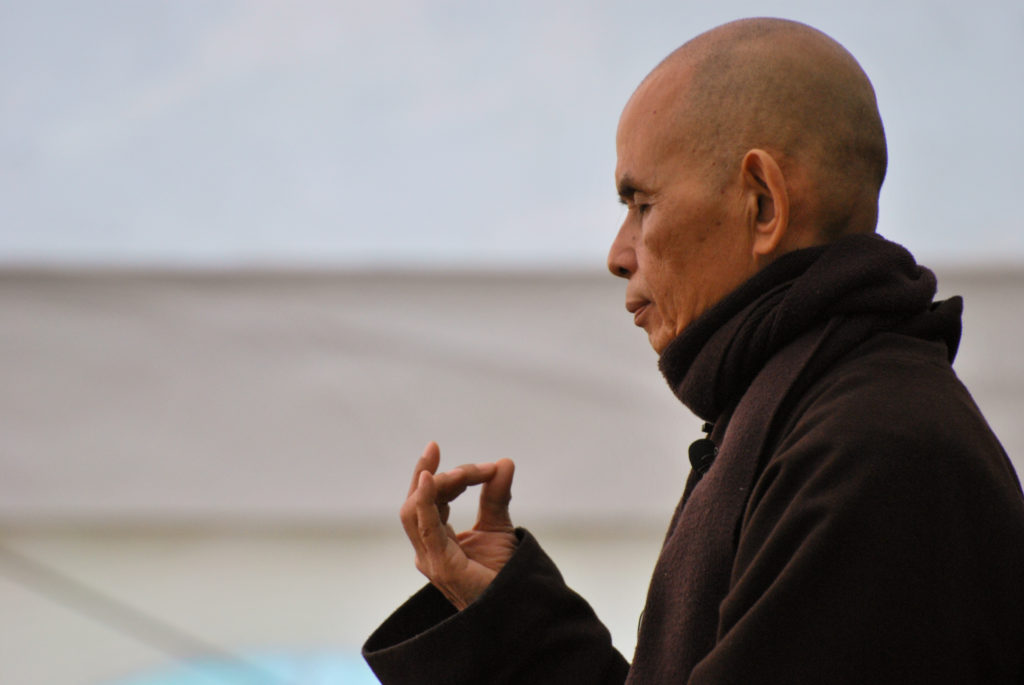
থিক নাত হান বলতেন, এক টুকরো রুটির দিকে গভীরভাবে তাকাও। দেখবে তার মধ্যে আছে গমের খেত, বৃষ্টির মেঘ, সূর্যের তাপ, কৃষকের ঘাম, মাটির নিচের কেঁচো। রুটি খাওয়া মানে গোটা মহাবিশ্বকে গ্রহণ করা। আমরা যা খাই, যা নিঃশ্বাসে নিই—সবই পৃথিবী। তাই পৃথিবী আমাদের বাইরে নয়; আমরাই পৃথিবীর একটি রূপ।
Thich Nhat Hanh would say: look deeply into a piece of bread. You will find fields of wheat, rain clouds, the warmth of the sun, the farmer’s sweat, the earthworms in the soil. To eat bread is to receive the whole cosmos. What we eat and what we breathe is the Earth. So the Earth is not outside us; we are one of its forms.
এই উপলব্ধির নাম তিনি দেন ‘আন্তঃসত্তা’। এর মূল বুদ্ধের প্রতীত্যসমুৎপাদ—এটি থাকলে ওটি থাকে, এটি না থাকলে ওটি থাকে না (সংযুত্ত নিকায় ১২.২১)। গাছ না থাকলে আমাদের নিঃশ্বাস নেই; নদী না থাকলে আমাদের রক্ত নেই।
He called this insight “interbeing”. Its root is the Buddha’s dependent origination: when this exists, that comes to be; when this does not exist, that does not come to be (SN 12.21). Without trees we have no breath; without rivers, no blood.
এই বোধ থেকেই জন্ম নেয় সকল প্রাণের প্রতি মৈত্রী। বুদ্ধ মেত্ত সূত্রে কোনো প্রাণীকে বাদ দেননি:
From this understanding grows loving-kindness toward all life. In the Metta Sutta the Buddha left no being out:
যে কেচি পাণভূতত্থি, তসা বা থাবরা বা অনবসেসা,
দীঘা বা যে মহন্তা বা, মজ্ঝিমা রস্সকাণুকথূলা।Ye keci pāṇabhūtatthi, tasā vā thāvarā vā anavasesā,
dīghā vā ye mahantā vā, majjhimā rassakāṇukathūlā.যত প্রাণী আছে—চলমান বা স্থির, কেউ বাদ না রেখে; দীর্ঘ বা বিশাল, মাঝারি, ছোট, সূক্ষ্ম বা স্থূল।
Whatever living beings there are — moving or still, without exception; long or large, middling, short, subtle or gross.
— করণীয় মেত্ত সুত্ত, সুত্তনিপাত ১.৮
— Karaṇīya Metta Sutta, Sutta Nipāta 1.8
থিক নাত হানের পঞ্চ সচেতনতা-অনুশীলনের প্রথমটি এই মৈত্রীকে আরও বিস্তৃত করে। তাতে শুধু মানুষ আর প্রাণী নয়, উদ্ভিদ ও খনিজের জীবনকেও রক্ষার অঙ্গীকার করা হয়। তিনি বলতেন, আমরা যখন পৃথিবীকে নিজের মায়ের মতো দেখি, তখন তাকে আঘাত করা আর সম্ভব হয় না।
The first of Thich Nhat Hanh’s Five Mindfulness Trainings widens this kindness further: it commits us to protect the lives not only of people and animals but of plants and minerals. When we see the Earth as our own mother, he said, we can no longer harm her.
তিন: গাছ, বর্ষাবাস আর অবিরাম পুণ্য
Three: Trees, the Rains Retreat and Unceasing Merit
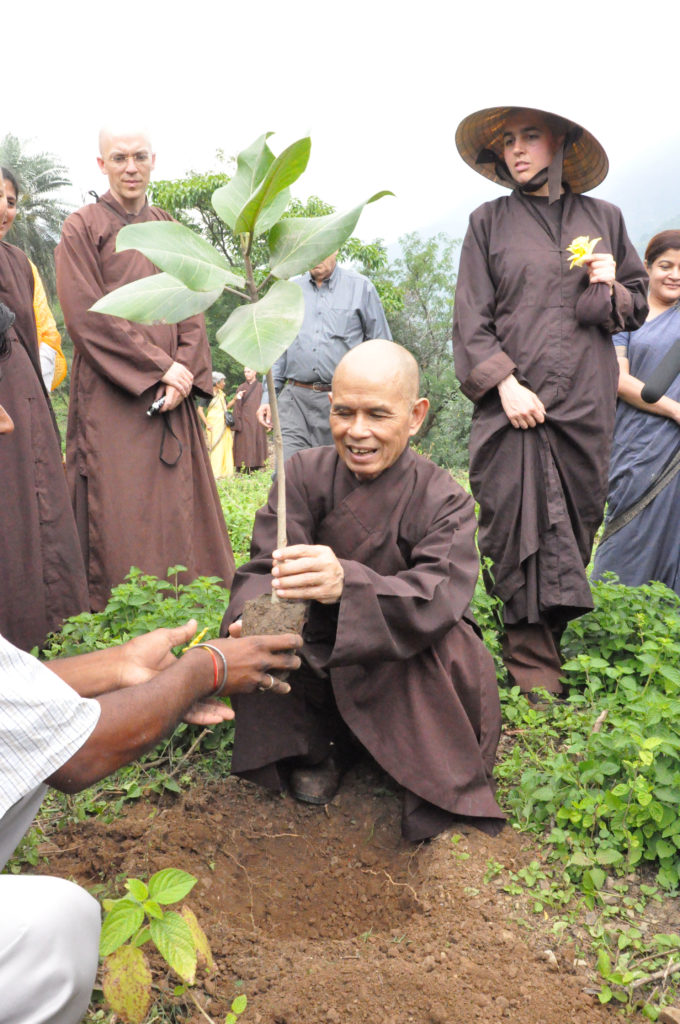
বুদ্ধের জীবন কেটেছে গাছের নিচে। জন্ম লুম্বিনীর শালবনে, বোধি অশ্বত্থের ছায়ায়, প্রথম ধর্মদেশনা সারনাথের মৃগদাবে, মহাপরিনির্বাণ কুশীনগরে দুটি শালগাছের মাঝখানে। প্রকৃতি তাঁর কাছে ঘর ছিল।
The Buddha’s life unfolded beneath trees: born in the sal grove of Lumbini, awakened in the shade of the peepal, first teaching in the Deer Park at Sarnath, final passing at Kushinagar between two sal trees. Nature was his home.
ভিক্ষুসংঘের নিয়মেও তিনি প্রকৃতির সুরক্ষা লিখে দিয়েছিলেন। বিনয় পিটকে জীবন্ত উদ্ভিদ নষ্ট করাকে ভিক্ষুর জন্য অপরাধ (পাচিত্তিয়) গণ্য করা হয়েছে। আর বর্ষাবাসের প্রথা চালু হওয়ার পেছনেও আছে প্রকৃতির প্রতি মমতা। লোকে অভিযোগ করেছিল, বর্ষায় বিচরণরত ভিক্ষুরা কচি ঘাস মাড়িয়ে দেন, ছোট ছোট প্রাণী মারা পড়ে। তখন বুদ্ধ বর্ষার তিন মাস এক স্থানে থাকার নিয়ম করেন।
He wrote care for nature into the monastic rules. The Vinaya counts destroying living plants as an offence for a monk (pācittiya). Even the rains retreat began out of care for nature: people complained that monks wandering in the monsoon trampled young grass and killed small creatures, so the Buddha asked them to stay in one place for the three months of rain.
সূত্র: বিনয় পিটক, পাচিত্তিয় ১১ (ভূতগাম বর্গ); মহাবগ্গ ৩.১ (বস্সূপনায়িকক্খন্ধক)
Source: Vinaya Piṭaka, Pācittiya 11 (Bhūtagāma vagga); Mahāvagga 3.1 (Vassūpanāyikakkhandhaka)
গৃহীদের জন্যও বুদ্ধ গাছ লাগানোকে শ্রেষ্ঠ পুণ্যের মধ্যে রেখেছেন। এক দেবতা তাঁকে জিজ্ঞেস করেছিলেন, কাদের পুণ্য দিনরাত বাড়ে। বুদ্ধ উত্তর দিলেন:
For lay people too, the Buddha placed planting trees among the highest merits. A deva asked him whose merit grows by day and by night. The Buddha replied:
আরামরোপা বনরোপা, যে জনা সেতুকারকা;
পপঞ্চ উদপানঞ্চ, যে দদন্তি উপস্সযং।
তেসং দিবা চ রত্তো চ, সদা পুঞ্ঞং পবড্ঢতি।Ārāmaropā vanaropā, ye janā setukārakā;
papañca udapānañca, ye dadanti upassayaṃ.
Tesaṃ divā ca ratto ca, sadā puññaṃ pavaḍḍhati.যারা বাগান ও বন রোপণ করে, সেতু নির্মাণ করে, জলসত্র ও কূপ দেয়, আশ্রয় দান করে—দিনে ও রাতে তাদের পুণ্য সর্বদা বাড়তে থাকে।
Those who plant groves and forests, who build bridges, who give drinking places and wells and offer shelter — by day and by night their merit always grows.
— বনরোপ সুত্ত, সংযুত্ত নিকায় ১.৪৭
— Vanaropa Sutta, Saṃyutta Nikāya 1.47
একটি গাছ লাগানো মানে এমন এক দান, যা রোপণকারী চলে যাওয়ার পরও ছায়া, ফল আর নিঃশ্বাস দিয়ে যায়।
Planting a tree is a gift that keeps giving shade, fruit and breath long after the one who planted it is gone.
চার: মৌমাছির মতো বাঁচো
Four: Live Like the Bee
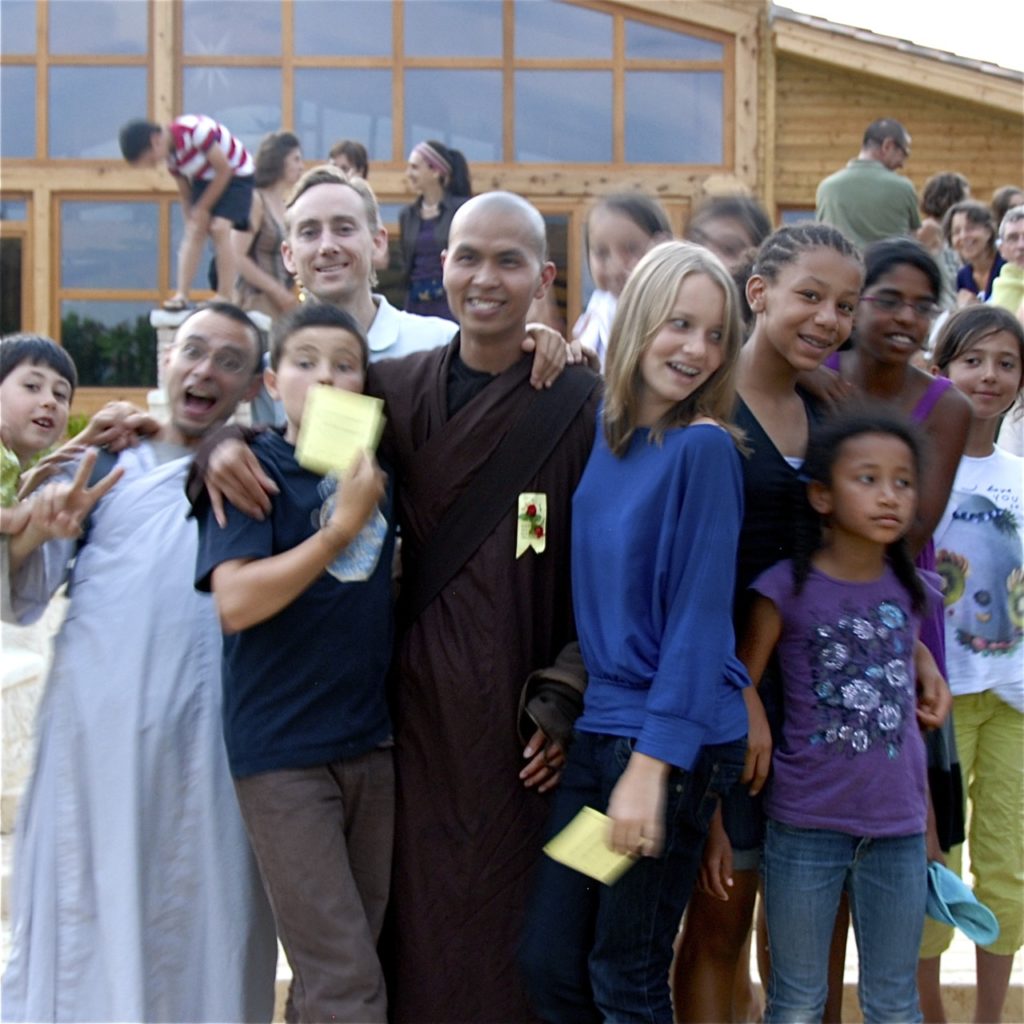
মৌমাছি ফুল থেকে মধু নেয়, কিন্তু ফুলের রং নষ্ট করে না, গন্ধও কেড়ে নেয় না। ফুল টিকে থাকে, মৌমাছিও বাঁচে। বুদ্ধ এই উপমা দিয়েছিলেন ভিক্ষুর পিণ্ডচারণ বোঝাতে। আজ এটিই হতে পারে টেকসই জীবনের সবচেয়ে সুন্দর সংজ্ঞা।
The bee takes nectar from the flower but does not spoil its colour or rob its fragrance. The flower lives on, and so does the bee. The Buddha used this image to describe a monk’s alms round; today it may be the most beautiful definition of sustainable living.
যথাপি ভমরো পুপ্ফং, বণ্ণগন্ধমহেঠযং;
পলেতি রসমাদায, এবং গামে মুনী চরে।Yathāpi bhamaro pupphaṃ, vaṇṇagandhamaheṭhayaṃ;
paleti rasamādāya, evaṃ gāme munī care.যেমন ভ্রমর ফুলের রং ও গন্ধ নষ্ট না করে শুধু রস নিয়ে চলে যায়, মুনিও তেমনি গ্রামে বিচরণ করবেন।
As a bee gathers nectar and moves on without harming the flower’s colour or scent, so should the sage move through the village.
— ধম্মপদ, গাথা ৪৯
— Dhammapada, verse 49
থিক নাত হান প্রায়ই বলতেন সংযুত্ত নিকায়ের পুত্তমংস সূত্রের কথা। এক দম্পতি শিশুপুত্রকে নিয়ে মরুভূমি পার হচ্ছিলেন। খাবার ফুরিয়ে গেলে তিনজনই মারা যাবেন, এই ভয়ে তাঁরা চরম সিদ্ধান্ত নেন—একমাত্র সন্তানের মাংস খেয়ে মরুভূমি পার হন, বুক চাপড়ে কাঁদতে কাঁদতে। সেই আহারে কোনো স্বাদ বা আনন্দ ছিল না। বুদ্ধ শিক্ষা দেন, খাদ্য গ্রহণ করতে হবে এভাবেই—তৃষ্ণা ছাড়া, শুধু জীবনধারণের জন্য।
Thich Nhat Hanh often told the story from the Puttamaṃsa Sutta. A couple crossing a desert with their small son ran out of food. Fearing all three would die, they made a terrible choice: they ate their only child’s flesh and crossed the desert, beating their breasts and weeping. There was no taste or pleasure in that meal. The Buddha taught that food should be taken in just this way — without craving, only to sustain life.
সূত্র: পুত্তমংস সুত্ত, সংযুত্ত নিকায় ১২.৬৩
Source: Puttamaṃsa Sutta, Saṃyutta Nikāya 12.63
থিক নাত হান এই কাহিনিকে আজকের জন্য নতুন করে পড়েছেন। আমরা যখন অপ্রয়োজনে ভোগ করি—অতিরিক্ত মাংস, অতিরিক্ত জ্বালানি, অতিরিক্ত পণ্য—তখন আসলে আমরা নিজেদের সন্তান-নাতি-নাতনির ভবিষ্যৎ খেয়ে ফেলছি।
Thich Nhat Hanh reread this story for our time. When we consume beyond our needs — too much meat, too much fuel, too many goods — we are in fact eating the future of our children and grandchildren.
তাই তাঁর পঞ্চম সচেতনতা-অনুশীলন সচেতন ভোগের অঙ্গীকার। শুধু খাদ্য নয়, যা দেখি, শুনি, পড়ি—সবই আমাদের আহার। কম কিনলে, যত্ন করে খেলে, প্রয়োজন আর লোভের পার্থক্য চিনলে আমরা পৃথিবীর বোঝা হালকা করি।
His fifth mindfulness training is therefore a commitment to mindful consumption. Not only food: what we watch, hear and read is also our nourishment. By buying less, eating with care and knowing the difference between need and greed, we lighten the Earth’s burden.
পাঁচ: লোভের প্রাচীন ইতিহাস
Five: An Ancient History of Greed
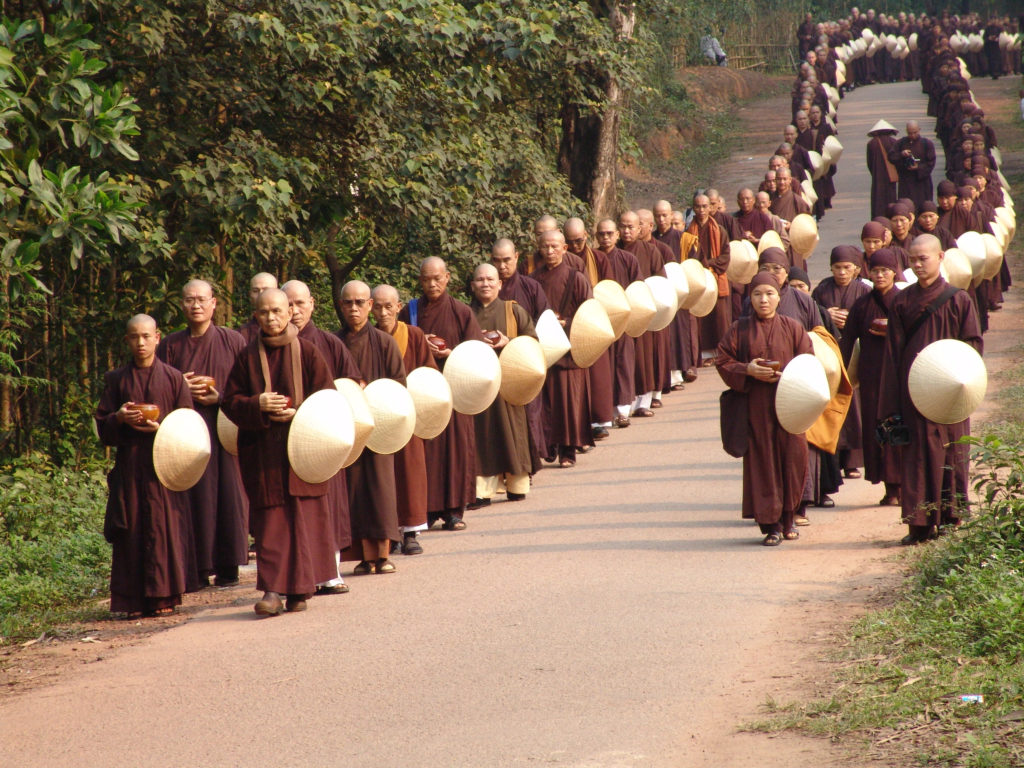
দীঘ নিকায়ের অগ্গঞ্ঞ সূত্রে বুদ্ধ এক বিস্ময়কর কাহিনি বলেছেন। এটি যেন মানুষ ও পৃথিবীর সম্পর্কের এক প্রাচীন রূপক।
In the Aggañña Sutta of the Dīgha Nikāya, the Buddha tells a remarkable story — an ancient parable of humanity’s relationship with the Earth.
আদিকালে পৃথিবীর ওপর ছিল সুস্বাদু এক রস। প্রাণীরা প্রয়োজনমতো তা গ্রহণ করত। কিন্তু লোভে পড়ে তারা বেশি বেশি খেতে লাগল, আর সেই রস ধীরে ধীরে হারিয়ে গেল। এরপর এল ভূমির ছত্রাক, তারপর লতা—লোভের কারণে সেগুলোও একে একে লুপ্ত হলো। শেষে এল আপনা-আপনি জন্মানো ধান, যা কাটলে আবার গজাত।
In the beginning a delicious essence lay upon the Earth. Beings took it as they needed. But out of greed they ate more and more, and the essence slowly vanished. Then came a ground fungus, then a creeper; each disappeared in turn through greed. Finally came rice that grew by itself and sprouted again after reaping.
তারপর কেউ ভাবল, রোজ রোজ কেন যাব? একবারে অনেক তুলে মজুত করে রাখি। মজুত শুরু হতেই ধান আর নিজে থেকে গজাল না। জমিতে সীমানা টানা হলো। তারপর এল চুরি, মিথ্যা, শাস্তি, দণ্ড।
Then someone thought: why go every day? I’ll gather a lot at once and store it. As soon as hoarding began, the rice no longer grew back by itself. Boundaries were drawn across the land. Then came theft, lies, punishment and the rod.
সূত্র: অগ্গঞ্ঞ সুত্ত, দীঘ নিকায় ২৭
Source: Aggañña Sutta, Dīgha Nikāya 27
আড়াই হাজার বছর আগের এই কাহিনি আজকের জলবায়ু সংকটের সঙ্গে ভয়ংকরভাবে মিলে যায়। পৃথিবী যা দিতে পারে, আমরা তার চেয়ে বেশি তুলে নিচ্ছি, মজুত করছি, আর প্রকৃতির নিজেকে পুনর্জন্ম দেওয়ার শক্তি নষ্ট করছি।
This 2,500-year-old story mirrors today’s climate crisis with frightening accuracy. We take more than the Earth can give, we hoard, and we destroy nature’s power to renew itself.
বুদ্ধ দুঃখের মূল হিসেবে চিহ্নিত করেছেন তিনটি অকুশল মূল—লোভ, দ্বেষ ও মোহ। থিক নাত হান দেখিয়েছেন, পরিবেশ ধ্বংসের পেছনেও এই তিনটিই কাজ করে। লোভ ভোগ বাড়ায়, দ্বেষ যুদ্ধ আর বিভাজন ঘটায়, আর মোহ আমাদের ভুলিয়ে রাখে যে আমরা পৃথিবী থেকে আলাদা। তাই প্রযুক্তি দরকার, নীতি দরকার—কিন্তু মনের রূপান্তর ছাড়া কোনো সমাধান টেকসই হবে না।
The Buddha named three unwholesome roots of suffering: greed, hatred and delusion. Thich Nhat Hanh showed that the same three drive environmental destruction. Greed inflates consumption, hatred brings war and division, and delusion makes us forget that we are not separate from the Earth. Technology is needed and policy is needed — but no solution will last without a transformation of the mind.
ছয়: প্লাম ভিলেজের চর্চা
Six: Practice at Plum Village
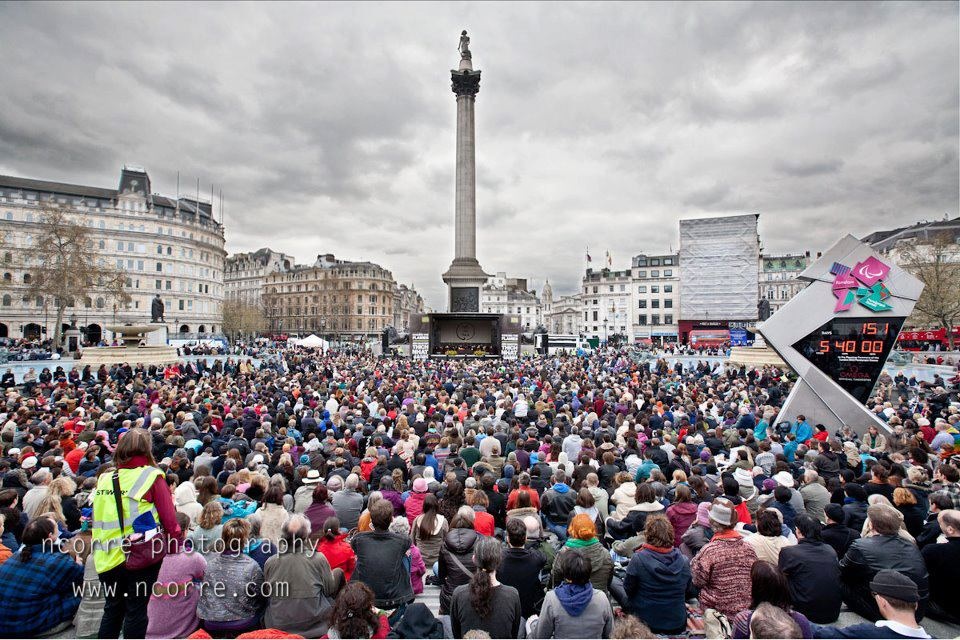
থিক নাত হান শুধু কথা বলেননি; তাঁর সংঘে তিনি পরিবেশ-ভাবনাকে দৈনন্দিন জীবনে রূপ দিয়েছেন।
Thich Nhat Hanh did not only speak; in his community he turned ecological thinking into daily life.
উদ্ভিদভিত্তিক আহার। প্লাম ভিলেজের মঠগুলোতে খাবার সম্পূর্ণ উদ্ভিজ্জ। তিনি দেখিয়েছিলেন, পশুপালনের জন্য বিপুল জমি, পানি আর শস্য লাগে, আর তা থেকে বিপুল গ্রিনহাউস গ্যাস নির্গত হয়। এক থালা নিরামিষ খাবার তাই করুণার চর্চা—প্রাণীর প্রতি, পৃথিবীর প্রতি, আর অনাহারী মানুষের প্রতি।
Plant-based meals. Meals in Plum Village monasteries are entirely plant-based. He pointed out that animal farming takes vast amounts of land, water and grain and releases huge quantities of greenhouse gas. A vegetarian plate is therefore a practice of compassion — for animals, for the Earth, and for people who go hungry.
গাড়িহীন দিন। সপ্তাহে একদিন মঠবাসীরা গাড়ি ব্যবহার না করার চর্চা করেন। তিনি দ্য ওয়ার্ল্ড উই হ্যাভ গ্রন্থে সবাইকে এই চর্চার আহ্বান জানিয়েছিলেন।
No-car day. One day a week the residents practise not using cars. In The World We Have he invited everyone to take up this practice.
খাওয়ার আগে পাঁচ ভাবনা। প্রতিবার খাওয়ার আগে সাধকেরা স্মরণ করেন—এই খাদ্য সমগ্র মহাবিশ্বের দান, পৃথিবী ও আকাশের, আর বহু মানুষের শ্রমের ফল। এমনভাবে খাব যাতে কৃতজ্ঞতার যোগ্য হই, আর এমনভাবে খাব যাতে প্রাণীর দুঃখ কমে ও পৃথিবী রক্ষা পায়।
Five contemplations before eating. Before each meal, practitioners recall that this food is a gift of the whole universe, the Earth and the sky, and the fruit of much hard work; and they resolve to eat in a way that makes them worthy of it, reduces the suffering of living beings and protects the planet.
আর্থ হোল্ডার কমিউনিটি। তাঁর অনুসারীরা গড়ে তোলেন ‘আর্থ হোল্ডার’ সম্প্রদায়, যেখানে সচেতনতা চর্চার সঙ্গে যুক্ত হয় পরিবেশ রক্ষার কাজ।
Earth Holder Community. His students formed the Earth Holder community, joining mindfulness practice with work to protect the environment.

থিক নাত হান বিশ্বাস করতেন, একজন বুদ্ধ যথেষ্ট নয়; আমাদের দরকার যৌথ জাগরণ। পরবর্তী বুদ্ধ হয়তো কোনো একক ব্যক্তি নন, বরং একটি সংঘ—সচেতনভাবে একসঙ্গে বাঁচা একটি সম্প্রদায়। বৌদ্ধ ঐতিহ্যে ভবিষ্যৎ বুদ্ধের নাম মৈত্রেয় (দীঘ নিকায় ২৬-এ মেত্তেয্য)—অর্থাৎ মৈত্রী।
Thich Nhat Hanh believed that one Buddha is not enough; we need a collective awakening. The next Buddha may not be an individual but a sangha — a community living mindfully together. In Buddhist tradition the future Buddha is named Maitreya (Metteyya in DN 26) — loving-kindness itself.
সাত: ভয় থেকে ভালোবাসায়
Seven: From Fear to Love
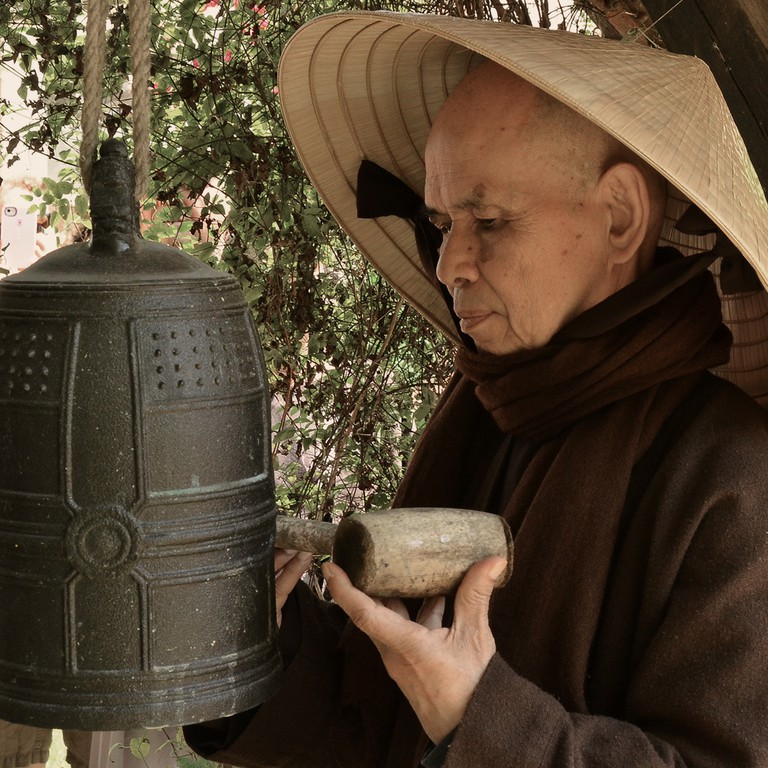
জলবায়ু সংকটের খবর অনেককে ভেঙে দেয়। কেউ ভাবেন, কিছুই আর করার নেই। থিক নাত হান এই হতাশাকে চিনতেন—যুদ্ধের ভিয়েতনামে তিনি এর চেয়েও গভীর অন্ধকার দেখেছেন। তাঁর পরামর্শ ছিল: প্রথমে নিজের ভয়কে সচেতনতার কোলে নাও। শ্বাস নাও। ভয় নিয়ে কাজ করলে আমরা আরও বিভাজন আর ধ্বংস তৈরি করি; শান্ত মন নিয়ে কাজ করলে সেই কাজ টেকে।
News of the climate crisis breaks many people. Some feel nothing can be done. Thich Nhat Hanh knew that despair; in wartime Vietnam he had seen darker nights than this. His advice was to first hold our fear in the arms of mindfulness. Breathe. Action born of fear creates more division and destruction; action born of a calm mind endures.
তিনি বলতেন, পৃথিবী রক্ষার শুরু হয় পৃথিবীর প্রেমে পড়া থেকে। যখন আমরা সত্যিই একটি গাছ, একটি নদী, একটি পাখির গান উপভোগ করতে শিখি, তখন সেগুলো রক্ষা করা কর্তব্যের বোঝা থাকে না; হয়ে ওঠে ভালোবাসার স্বাভাবিক প্রকাশ। তাঁর লাভ লেটার টু দ্য আর্থ এই ভালোবাসারই চিঠি।
He said that saving the Earth begins with falling in love with the Earth. When we truly learn to enjoy a tree, a river, a bird’s song, protecting them is no longer a heavy duty but a natural expression of love. His Love Letter to the Earth is a letter of exactly that love.
বুদ্ধের শেষ বাণী আজ নতুন অর্থ পায়:
The Buddha’s last words take on new meaning today:
বযধম্মা সঙ্খারা, অপ্পমাদেন সম্পাদেথ।
Vayadhammā saṅkhārā, appamādena sampādetha.
সকল সংস্কার ক্ষয়শীল; অপ্রমাদের সঙ্গে সাধনা সম্পন্ন করো।
All conditioned things are subject to decay; strive on with heedfulness.
— মহাপরিনিব্বান সুত্ত, দীঘ নিকায় ১৬
— Mahāparinibbāna Sutta, Dīgha Nikāya 16
সভ্যতাও অনিত্য, পৃথিবীর ভারসাম্যও অনিত্য। এই সত্য মেনে নিলে আতঙ্ক কমে, আর জেগে ওঠে অপ্রমাদ—এখনই, সচেতনভাবে কাজ করার শক্তি।
Civilisations are impermanent; so is the Earth’s balance. Accepting this truth eases panic and awakens appamāda — the strength to act mindfully, now.
আমাদের ব-দ্বীপের জন্য
For Our Delta
বাংলাদেশ এক নদীমাতৃক দেশ। পদ্মা, মেঘনা, যমুনা, পাহাড়ি ঝিরি আর উপকূলের ম্যানগ্রোভ—সবই আমাদের শরীরেরই আরেক রূপ। আমাদের ব-দ্বীপ জলবায়ু পরিবর্তনের সবচেয়ে বড় ঝুঁকির মুখে থাকা অঞ্চলগুলোর একটি। এই মাটিতেই একদিন পাহাড়পুর, ময়নামতী আর মহাস্থানের বৌদ্ধবিহারে ধর্মচর্চা হতো।
Bangladesh is a land of rivers. The Padma, the Meghna, the Jamuna, the hill streams and the coastal mangroves are another form of our own bodies. Our delta is among the regions most at risk from climate change. On this same soil, the Buddhist monasteries of Paharpur, Mainamati and Mahasthan were once alive with practice.
সেই ঐতিহ্যের উত্তরসূরি হিসেবে আমাদের দায়িত্ব স্পষ্ট। একটি গাছ লাগানো, একটি নদী পরিষ্কার রাখা, এক বেলা মাংস না খাওয়া, অপ্রয়োজনীয় পণ্য না কেনা—প্রতিটি কাজই বনরোপ সূত্রের সেই অবিরাম পুণ্য।
As heirs to that heritage, our responsibility is clear. Planting a tree, keeping a river clean, skipping meat for a meal, not buying what we don’t need — each is the unceasing merit of the Vanaropa Sutta.
শ্বাস নিই, পৃথিবীকে অনুভব করি। শ্বাস ছাড়ি, পৃথিবীর প্রতি কৃতজ্ঞ থাকি।
Breathing in, I feel the Earth. Breathing out, I am grateful to the Earth.
সব্বে সত্তা ভবন্তু সুখিতত্তা। সকল প্রাণী সুখী হোক।
Sabbe sattā bhavantu sukhitattā. May all beings be happy.
তথ্যসূত্র
References
পালি উদ্ধৃতি মহাসঙ্গীতি তিপিটক পাঠ অনুযায়ী, বাংলা লিপিতে প্রতিবর্ণীকৃত। বাংলা অনুবাদ ভাবানুবাদ। থিক নাত হানের শিক্ষা ভাবানুবাদে দেওয়া হয়েছে, হুবহু উদ্ধৃতি নয়।
Pali quotations follow the Mahāsaṅgīti Tipiṭaka; in the Bangla text they are transliterated into Bangla script, in the English text romanised. Translations are interpretive. Thich Nhat Hanh’s teachings are paraphrased, not quoted verbatim.
| অধ্যায়Chapter | বুদ্ধবাণীর মূল উৎসSource in the Buddha’s teaching | থিক নাত হানের সংশ্লিষ্ট গ্রন্থRelated book by Thich Nhat Hanh |
|---|---|---|
| সূচনাIntroduction | — | Zen and the Art of Saving the Planet (2021) |
| এক: ভূমিস্পর্শOne: Touching the Earth | জাতক নিদানকথা (অট্ঠকথা); ললিতবিস্তর (সংস্কৃত)Jātaka Nidānakathā (commentary); Lalitavistara (Sanskrit) | Touching the Earth (2004) |
| দুই: আমরাই পৃথিবীTwo: We Are the Earth | সংযুত্ত নিকায় ১২.২১; করণীয় মেত্ত সুত্ত, সুত্তনিপাত ১.৮SN 12.21; Karaṇīya Metta Sutta, Sn 1.8 | Love Letter to the Earth (2013) |
| তিন: গাছ ও বর্ষাবাসThree: Trees and the rains retreat | বিনয়: পাচিত্তিয় ১১, মহাবগ্গ ৩.১; বনরোপ সুত্ত, সংযুত্ত নিকায় ১.৪৭Vinaya: Pācittiya 11, Mahāvagga 3.1; Vanaropa Sutta, SN 1.47 | The World We Have (2008) |
| চার: মৌমাছিFour: The bee | ধম্মপদ ৪৯; পুত্তমংস সুত্ত, সংযুত্ত নিকায় ১২.৬৩Dhammapada 49; Puttamaṃsa Sutta, SN 12.63 | The World We Have (2008); পঞ্চম সচেতনতা-অনুশীলনThe World We Have (2008); Fifth Mindfulness Training |
| পাঁচ: লোভFive: Greed | অগ্গঞ্ঞ সুত্ত, দীঘ নিকায় ২৭Aggañña Sutta, DN 27 | Zen and the Art of Saving the Planet (2021) |
| ছয়: প্লাম ভিলেজSix: Plum Village | চক্কবত্তি সীহনাদ সুত্ত, দীঘ নিকায় ২৬ (মেত্তেয্য)Cakkavatti Sīhanāda Sutta, DN 26 (Metteyya) | The World We Have (2008) |
| সাত: ভয় থেকে ভালোবাসাSeven: From fear to love | মহাপরিনিব্বান সুত্ত, দীঘ নিকায় ১৬Mahāparinibbāna Sutta, DN 16 | Love Letter to the Earth (2013) |
পালি মূলপাঠ মিলিয়ে দেখতে: SuttaCentral।
To check the Pali originals: SuttaCentral.
ছবির কৃতজ্ঞতা
Photo credits
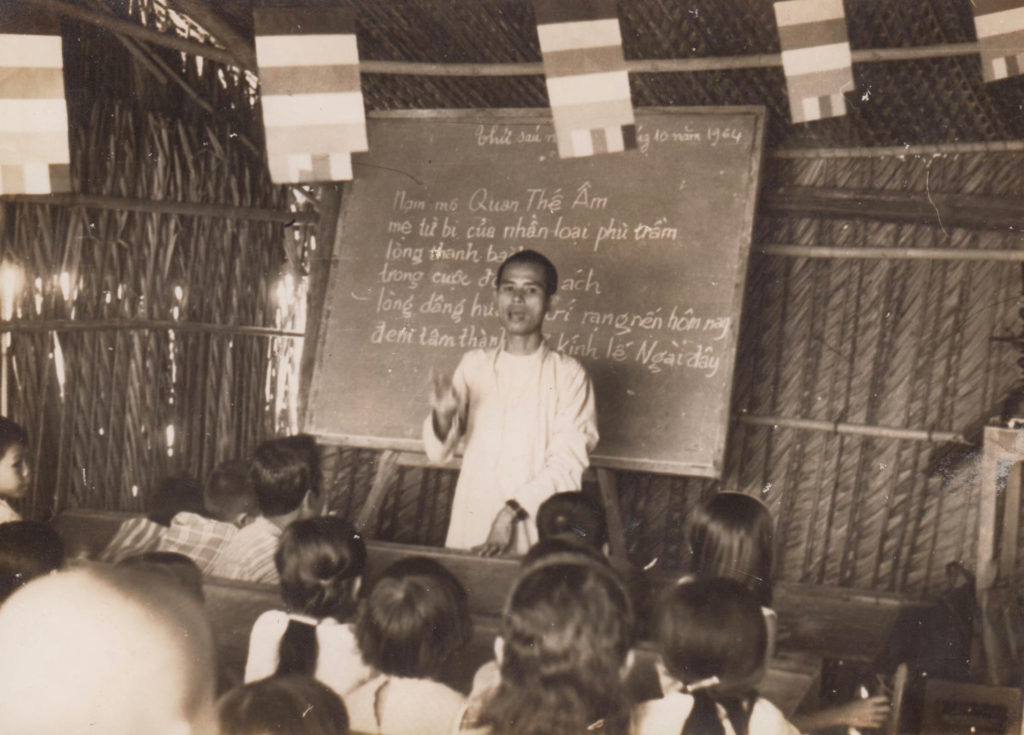
এই রচনার সকল আলোকচিত্র Plum Village-এর সৌজন্যে, Thich Nhat Hanh Press Photos সংগ্রহ থেকে। ট্রাফালগার স্কয়ারের ছবির আলোকচিত্রী Nathanael Corre। মোট দশটি ছবি; প্রতিটির নিচে আলাদা কৃতজ্ঞতা-লাইন দেওয়া আছে। সকল স্বত্ব © Plum Village / International Plum Village Community of Engaged Buddhism। ছবিগুলো অনুমতি সাপেক্ষে পুনর্ব্যবহৃত।
All photographs courtesy of Plum Village, from the Thich Nhat Hanh Press Photos collection. The Trafalgar Square photograph is by Nathanael Corre. Ten photographs in total, each with its own credit line. All rights © Plum Village / International Plum Village Community of Engaged Buddhism. Photographs reused with permission.